
What is Laparoscopy for Infertility?
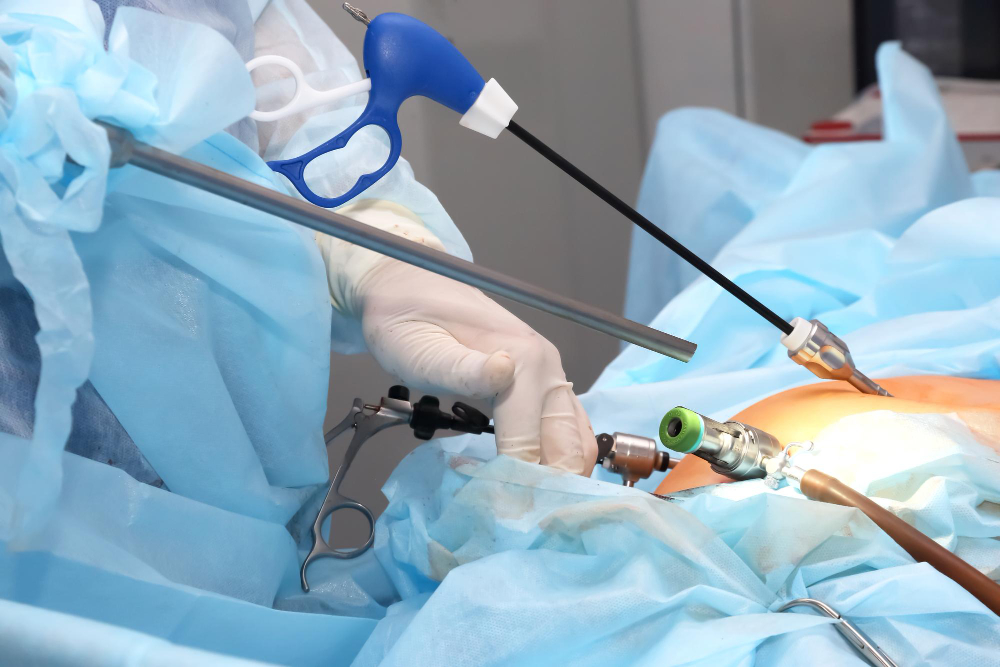
Laparoscopy for infertility is a minimally invasive infertility surgery. Doctors use it to look inside the pelvis and check for problems that may cause infertility. Often, this procedure helps with tubal assessment and adhesiolysis for fertility. During laparoscopy, a thin tube with a camera is placed through a small cut near the belly button. Because of this, doctors can see the uterus, fallopian tubes, and ovaries clearly. This method is safe and gives quick results. According to the World Health Organization (WHO), laparoscopy is a common tool in infertility treatment.
Why is Tubal Assessment Important?
For many women, blocked or damaged fallopian tubes can make it hard to get pregnant. Therefore, tubal assessment is a key step in laparoscopy for infertility treatment. During this procedure, doctors check if the tubes are open and healthy. If the tubes are blocked, eggs cannot meet sperm. As a result, pregnancy cannot happen naturally. Early tubal assessment helps doctors plan the best treatment. In fact, the Centers for Disease Control and Prevention (CDC) states that tubal problems are a leading cause of infertility in women.
Understanding Adhesiolysis in Infertility Treatment
Sometimes, scar tissue called adhesions forms inside the pelvis. These adhesions can stick organs together and block the fallopian tubes. Because of this, adhesiolysis for fertility is important. Adhesiolysis means removing or cutting these adhesions during laparoscopy. By doing so, doctors can improve the chances of natural pregnancy. This step is often part of minimally invasive infertility surgery. For example, women with a history of pelvic infections or surgery may benefit from adhesiolysis.
How is the Procedure Performed?
First, the patient receives anesthesia to stay comfortable. Next, the surgeon makes a small cut near the belly button. Then, a thin tube with a camera is inserted. Through this tube, doctors can see the pelvic organs. If needed, they make one or two more small cuts for special tools. During the tubal assessment procedure, dye may be used to check if the tubes are open. If adhesions are found, the surgeon performs adhesiolysis for fertility. The whole process usually takes one to two hours. Most patients go home the same day.
Benefits and Risks of Laparoscopy for Infertility
However, most women recover well and see improved fertility outcomes.
Recovery and Aftercare Tips
After laparoscopy for infertility, most women go home the same day. But rest is important for a few days. Here are some helpful tips:
Usually, women can return to normal activities within a week. If you have any concerns, contact your healthcare provider right away.
Prevention and Lifestyle Guidance
While not all causes of infertility can be prevented, some steps may help. For example, practicing safe sex can lower the risk of pelvic infections. Also, regular check-ups help catch problems early. Eating a balanced diet and staying active support overall health. If you have a history of pelvic surgery or infection, tell your doctor. Early action can make a big difference in fertility outcomes.
Conclusion
Laparoscopy for infertility, including tubal assessment and adhesiolysis, offers hope to many couples. Because it is a minimally invasive infertility surgery, recovery is often quick. If you are facing fertility challenges, consult a fertility specialist for personalized advice on laparoscopy for infertility.